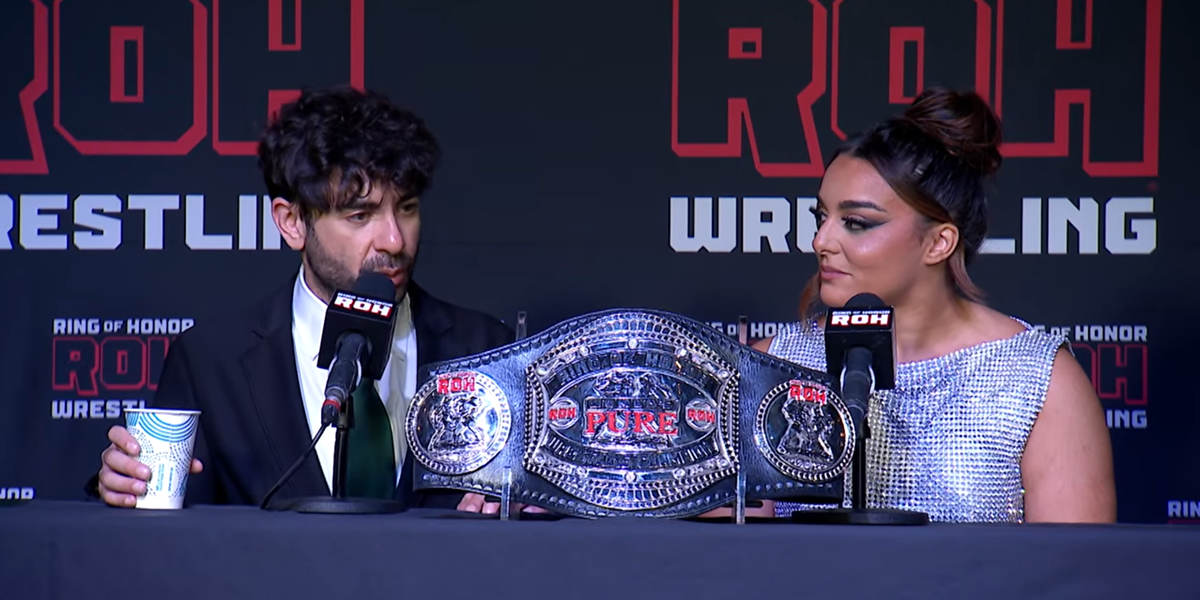
Deonna Purrazzo has called for more women to be given opportunities in wrestling’s behind-the-scenes infrastructure, pointing specifically to creative, talent relations, and the roles of agents and producers as areas where representation still lags behind what has happened in front of the camera.
According to Fightful, Purrazzo noted that women’s wrestling has made considerable progress over the past decade, with more women’s matches featured in main event spots and more investment put into developing female talent on television. Her comments, also reported by 411Mania, frame that on-screen growth as real but incomplete, since the structures that shape storylines, bookings, and talent development remain dominated by roles she believes could benefit from more women stepping into them.
Purrazzo’s point centers on the distinction between visibility and influence. Women competing for world titles and headlining shows is one measure of progress, but the people writing those stories, negotiating those contracts, and producing those matches behind the scenes are a separate layer of the business. By naming creative, talent relations, agents, and producers specifically, she is identifying the exact positions where decisions about who gets pushed, how matches are structured, and which stories get told actually get made.
Neither Fightful’s report nor 411Mania’s coverage indicates that Purrazzo was speaking about a specific promotion’s hiring practices or responding to a particular incident. Her remarks read as a broader observation about the industry rather than a pointed criticism of any one company, and the sources do not attribute any additional detail, such as specific names or companies she would like to see make these hires.
Purrazzo has built her reputation largely through her in-ring career, including extensive title runs and main event program involvement across multiple promotions, which gives her comments on industry structure added weight given her vantage point as a performer who has worked under varied creative regimes. Her call for more women in agent and producer roles specifically touches on positions that work directly with talent to construct matches, a part of the business that has historically been staffed almost entirely by former male wrestlers.
Whether her comments spur any concrete changes at the promotional level remains to be seen, and neither report indicates that any company has responded directly to her remarks. The story, as reported, stands as a notable public statement from a prominent women’s wrestling figure on an ongoing industry conversation about representation beyond the ring.