Gorilla Position — Week of July 6, 2026
Three stories dropped this week that, taken together, paint a surprisingly clear picture of where professional wrestling’s fault lines are running in mid-2026. An AEW-contracted performer just became NJPW’s IWGP Global Heavyweight Champion, a legitimate WWE legend is apparently walking out the door over money, and AEW’s marquee London event is sitting at under 27,000 tickets with less than two months to go. Pick any one of those and you’ve got a column. All three together? That’s a diagnosis.
Gabe Kidd Winning the IWGP Global Title Is the Most Interesting Thing in Wrestling Right Now
The IWGP Global Heavyweight Championship was designed from the jump as a crossover belt — a title meant to live at the intersection of NJPW’s prestige and international talent relationships. Gabe Kidd, an AEW-contracted performer, beating Shota Umino at Korakuen Hall to claim that title is not a booking accident. It is a deliberate, meaningful statement about how NJPW views its relationship with Tony Khan’s company in 2026. The match presumably delivered — Kidd has been one of the most compelling brawlers on the planet for the better part of two years, and Umino is good enough to have made this feel like a real championship transition rather than a token gesture. What matters now is what happens next: does the title get defended on AEW programming, does Kidd show up in NJPW consistently enough to give the belt weight, or does this become another case of a championship floating in creative limbo because two promotions can’t quite commit to each other? The potential here is genuinely exciting. The execution risk is equally real.
WWE Offering Sheamus a “Significantly Reduced” Deal Is a Choice They’ll Have to Own
Let’s be precise about what’s happening with Sheamus, because it matters. This is not a case of a performer refusing to accept the reality of their market value — this is a company that built significant television around a man for over fifteen years apparently deciding he’s worth a fraction of what he was. Sheamus is not diminished in the ring; he has been one of the more reliable and legitimately respected workers on the WWE roster for years, and the Brawling Brutes run proved he still has genuine crowd heat and storytelling instincts. WWE has every right to set their own contracts, but there is a cost to letting veterans of this profile walk, and it’s not always measured in ratings points. It gets measured in locker room culture, in what younger talent observes about how the company values longevity and loyalty, and in the quiet credibility that comes from retaining people who’ve carried the company through difficult periods. Sheamus doesn’t need to be in a world title program to be worth keeping. Sometimes continuity itself has value.
The RUSH and MJF Situation Tells You More About AEW’s Culture Than the Injury Itself
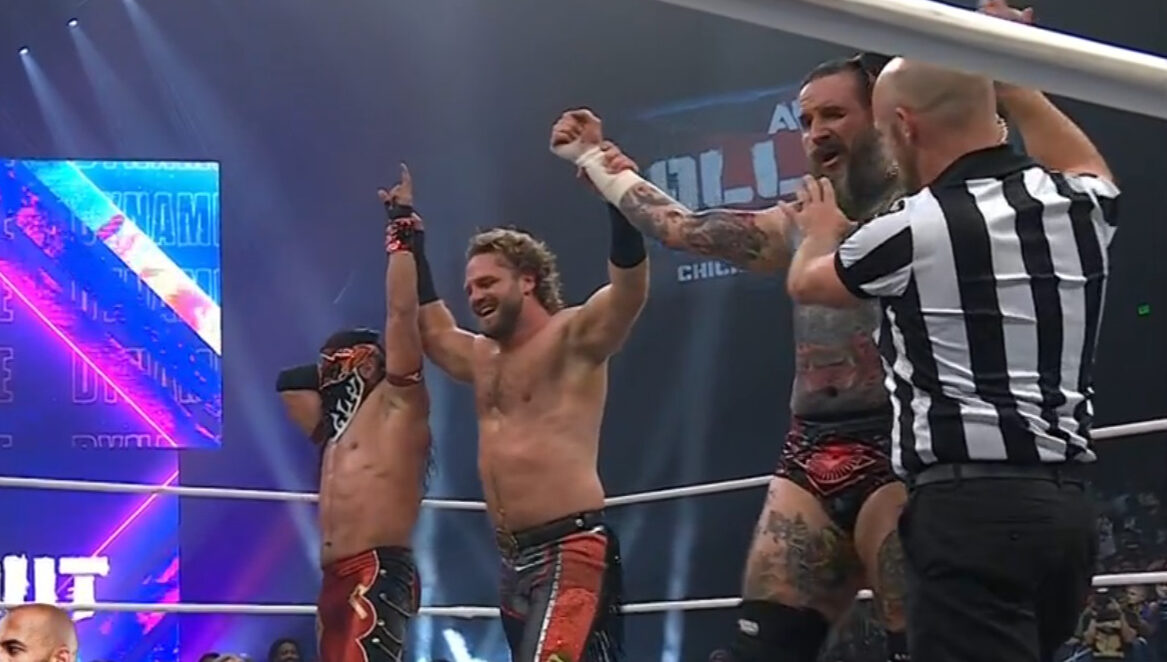
MJF suffering a hyperextended knee on live television is unfortunate regardless of context — nobody wants to see a legitimate injury, and MJF is one of the three or four most valuable performers in AEW. But the detail worth examining is that Fightful had to field questions about whether RUSH had backstage heat over the incident, which tells you that people inside and outside the company were paying attention to how AEW would handle the optics. The fact that the answer is apparently “no significant heat” is either genuinely reassuring or carefully managed public messaging, and experienced wrestling observers will recognise those two things are not always distinguishable. What AEW does with both men coming out of this will reveal more than any backstage report: if RUSH is pushed meaningfully and MJF returns to a prominent program, the story ends there. If either performer quietly loses momentum, you’ll have your real answer about how it was handled internally.
AEW All In London’s Ticket Numbers Are a Problem That Spin Cannot Fix
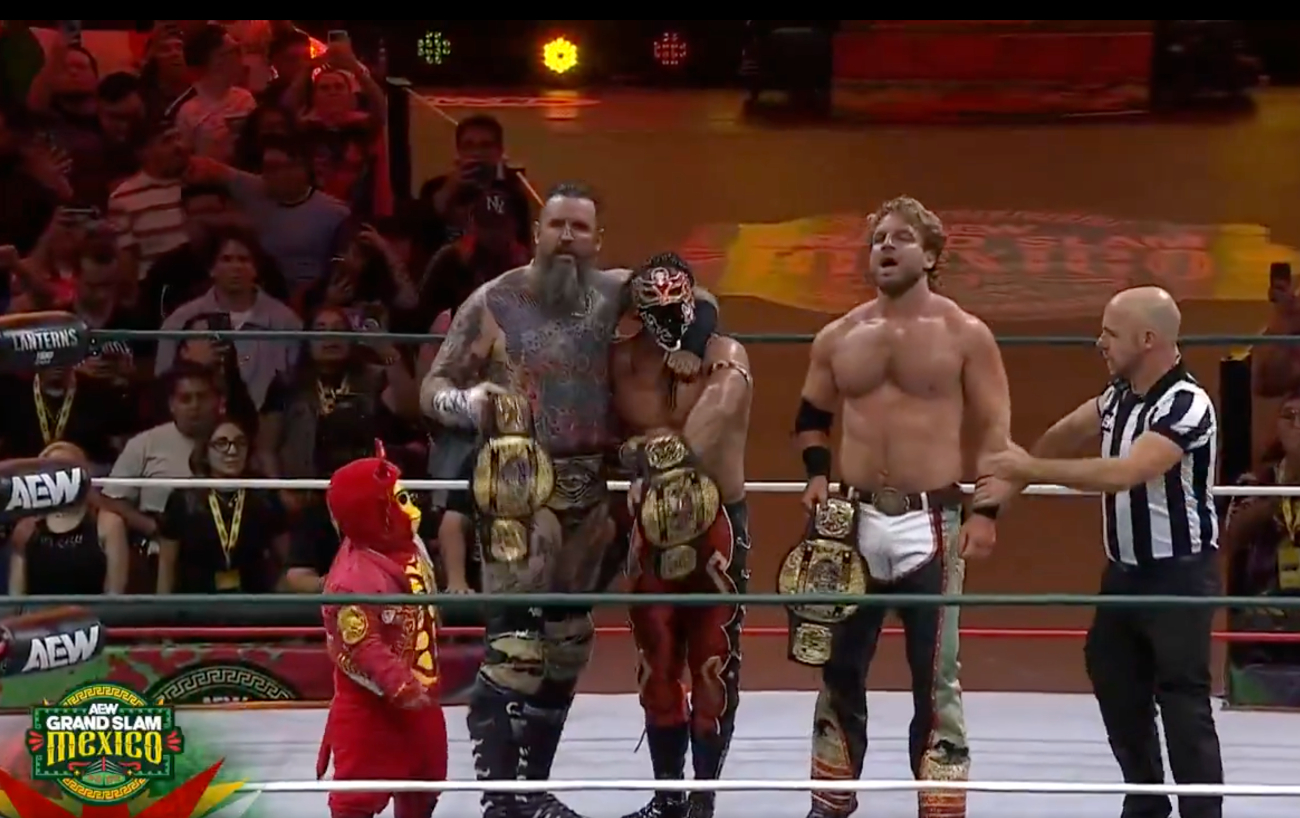
26,915 tickets distributed for Wembley Stadium with roughly seven weeks remaining is a number that requires honesty, not optimism. Wembley holds over 90,000 people for a configured wrestling event, and while AEW has never claimed to fill the entire venue, the original 2023 All In generated a legitimate cultural moment precisely because the demand felt organic and overwhelming. A gain of 758 tickets in the most recent tracking window is not the trajectory of a hot show building momentum. AEW has legitimate stars, a London fanbase that proved it exists, and a genuine international brand. But there is a difference between having an audience and converting that audience into ticket buyers for a premium live event, and right now that conversion rate is telling a concerning story. Tony Khan needs a marquee match announcement that creates urgency — not a good match, not a solid card, but something that makes a casual British wrestling fan feel like missing August 30th would be a genuine regret. That moment hasn’t happened yet.
Kevin Nash Praising Sami Zayn Matters More Than It Sounds
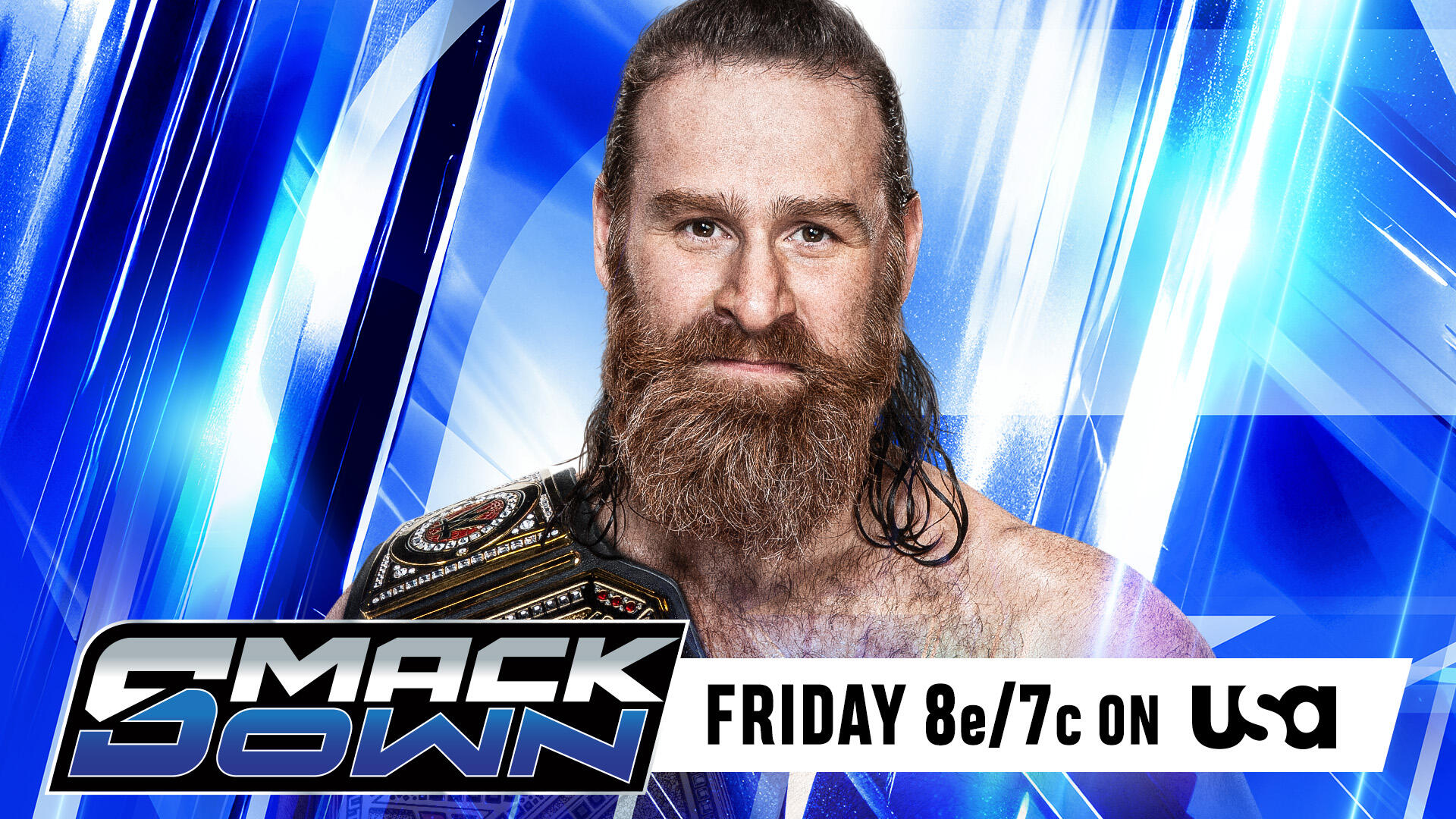
Nash congratulating Sami Zayn on a title win and praising Cody Rhodes on a podcast might read as a slow news day footnote, but consider the source and the context. Kevin Nash spent years as a genuine power broker in this industry, someone whose opinions about who should be pushed carried real institutional weight in the 1990s and early 2000s. His public endorsement of Zayn — a performer who was considered a perpetual upper-midcard ceiling act for years before his historic WrestleMania moment — is a small but genuine cultural marker. It signals that the wrestling establishment, the old guard that often resisted unconventional stars, has fully accepted that Sami Zayn’s ceiling was never the issue: the belief system around him was. Rhodes drawing praise from Nash is similarly notable given that Cody spent years being actively dismissed by that same establishment when he left WWE the first time. Both endorsements are, in their way, small acts of acknowledgment that the business changed and the old guard noticed.
The week of June 29th, 2026 offered wrestling fans a compressed version of every tension the industry is currently navigating: the promise of genuine cross-promotional storytelling through Kidd’s IWGP reign, the uncomfortable reality of how promotions treat their long-term talent as illustrated by Sheamus, and the ongoing test of whether AEW can convert goodwill into stadium-filling event business. None of these stories have clean resolutions yet. That’s what makes them worth watching — and what makes the next few months genuinely consequential for the shape of the industry heading into 2027.
[waw_kor_quiz]